Ask ten people what biodiversity means and you will get ten different answers. For some it is birdsong on the morning walk; for others it is a half-remembered word from a science class. The National Biodiversity Data Centre put that very question to people across Ireland — and the answers, in the short film below, are well worth a watch.
A word that means many things
At its simplest, biodiversity is the variety of life in a place: the plants, animals, fungi and tiny organisms that share a patch of ground and depend on one another. But the word lands differently depending on who you ask.
The scientist's view
To an ecologist, biodiversity is measurable — the number of species, the range of habitats, the genetic richness within a population. More variety usually means a system that copes better when conditions change.
The neighbour's view
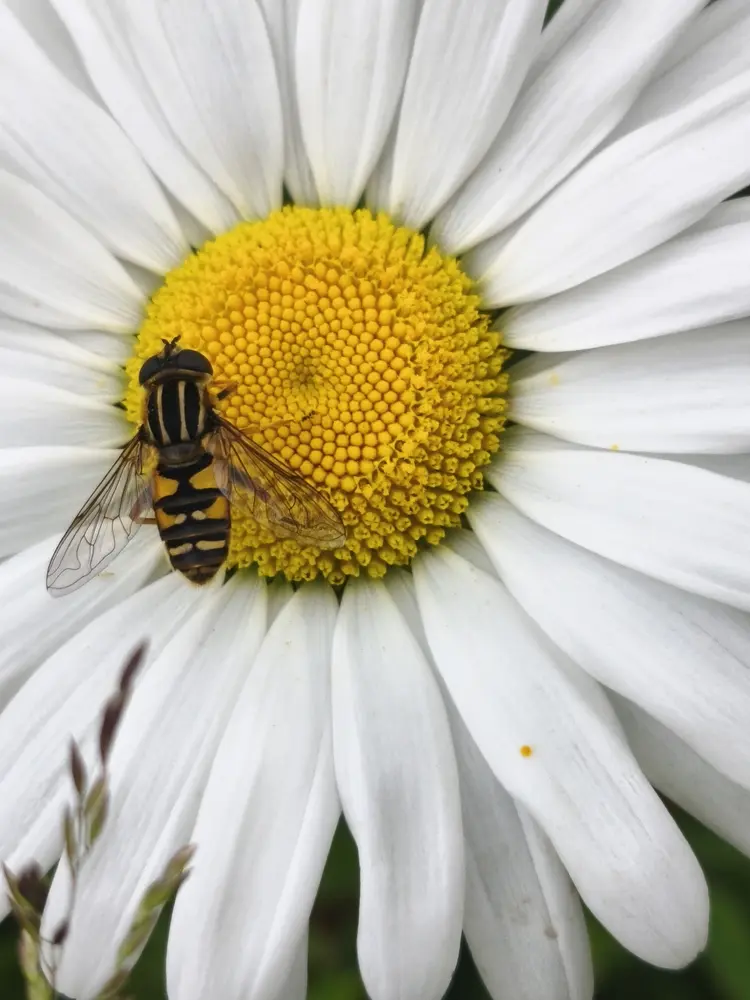
To most of us, it is something felt rather than counted: the hum of bees in a verge left to flower, frogs returning to a restored pond, a hedgerow loud with finches. Both views matter, and the corridor needs both.
Why it matters along the B Corridor
The B Corridor exists because nature does not thrive in isolated pockets. Wildlife needs to move, feed and shelter across a connected landscape. When we protect biodiversity along the corridor, a few practical things follow:
- Pollinators have continuous food from spring to autumn, not just a single flush of flowers.
- Birds and small mammals can travel safely between green spaces instead of being stranded.
- Rivers and wetlands stay cleaner, because healthy plant life filters what runs off the land.
- People gain quieter, greener places to walk, rest and reconnect with the outdoors.
Biodiversity is not something that happens somewhere else, in a far-off rainforest. It is the verge at the end of your road — and it is ours to keep.
Scenes from the corridor
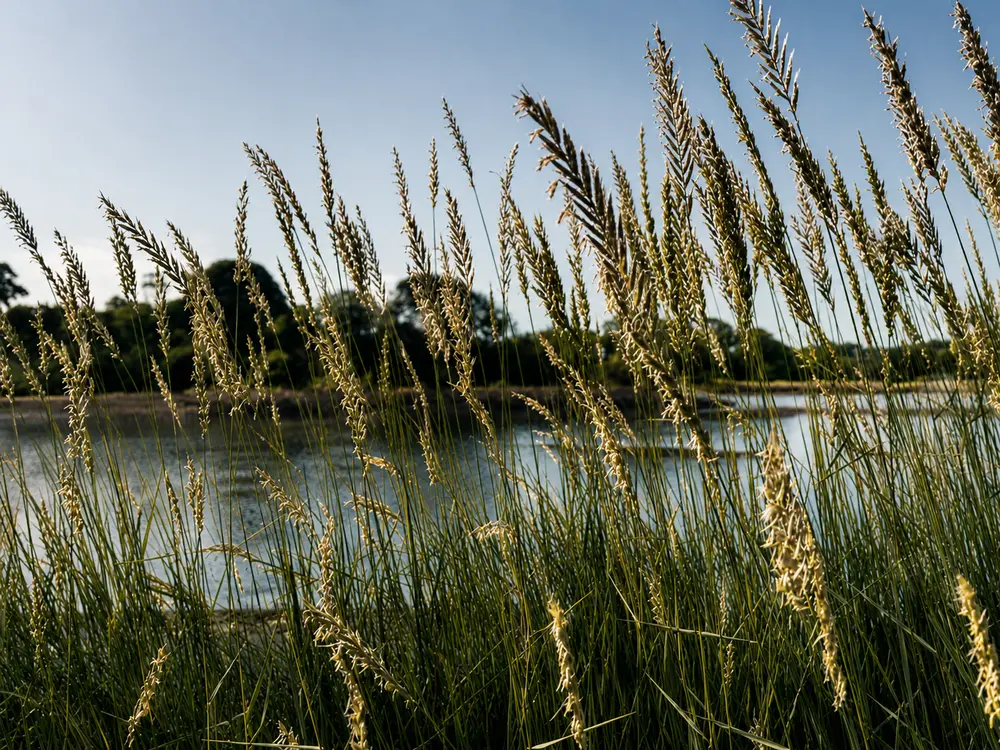
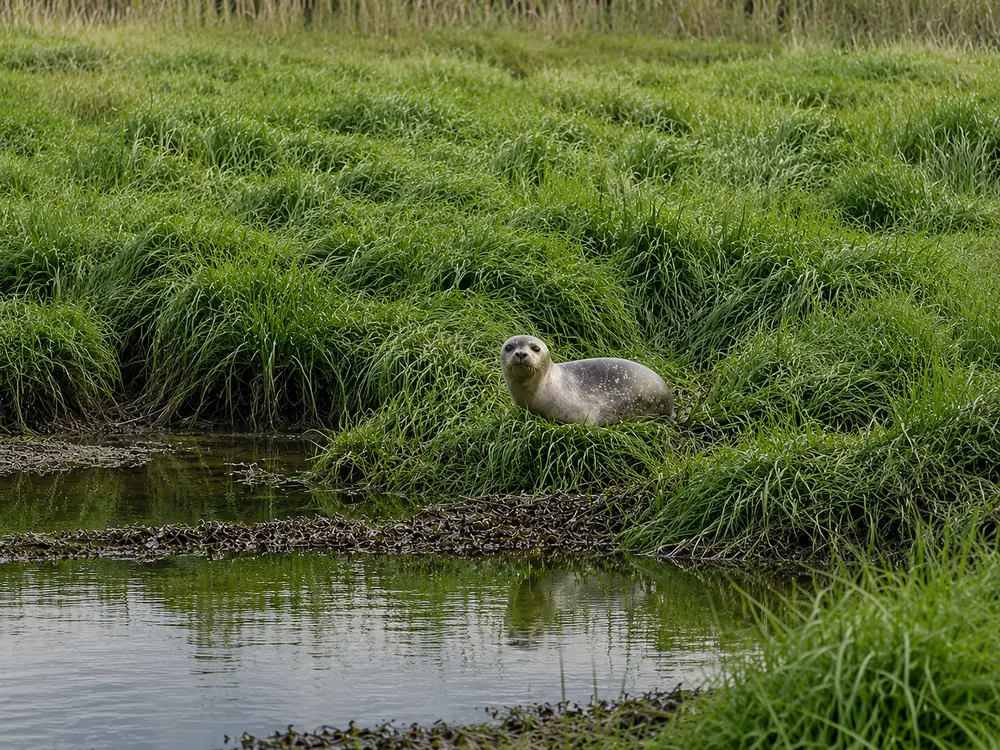
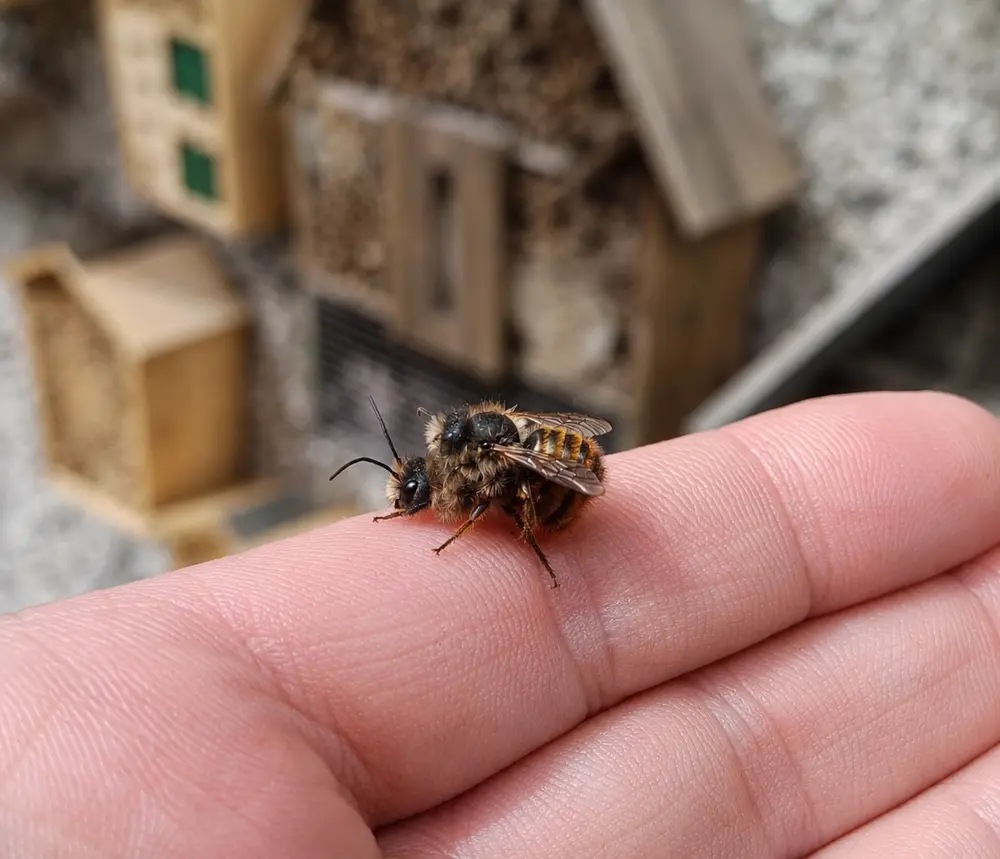
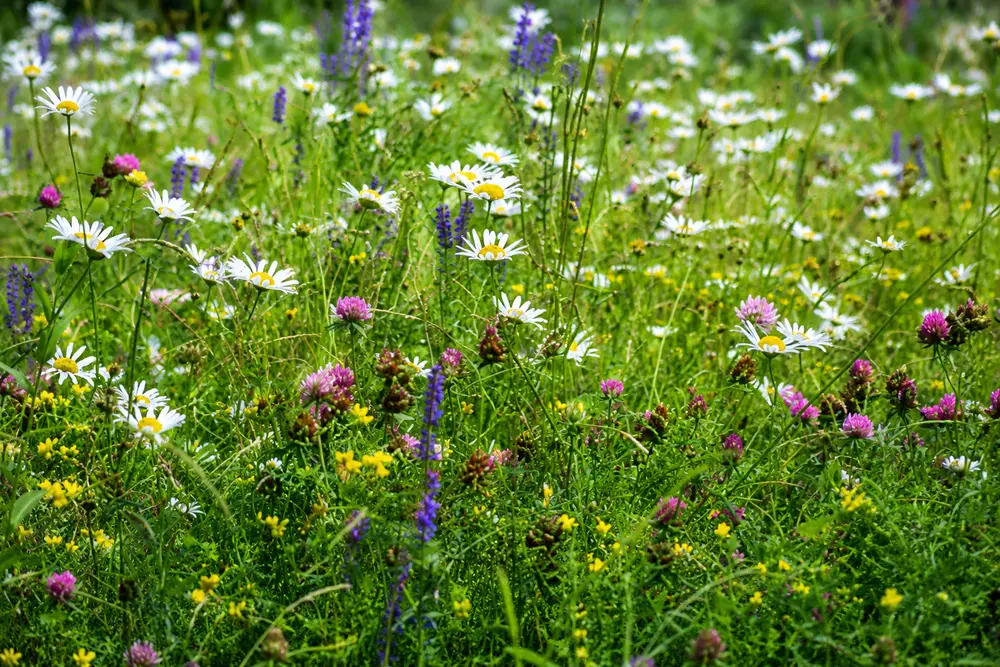
From wet meadows to old churchyards, every stop along the route tells a different part of the story. Swipe through a few of the places where biodiversity is quietly doing its work.
So — what does it mean to you?
Whatever your answer, there is a place for it along the corridor. To explore the species recorded across the country, visit the National Biodiversity Data Centre — or simply come and see the corridor for yourself.